

In the current online landscape, possessing a visually captivating website is just the start. In order to genuinely prosper online, businesses must merge exceptional aesthetic appeal with powerful search engine optimization. The relationship between the design of a website and SEO is more significant than ever. A nicely designed website without the suitable SEO tactics is equivalent to a tastefully designed store that's hidden away in a secluded location. Understanding how these components work together is crucial for enhancing your online presence and fostering enduring growth.
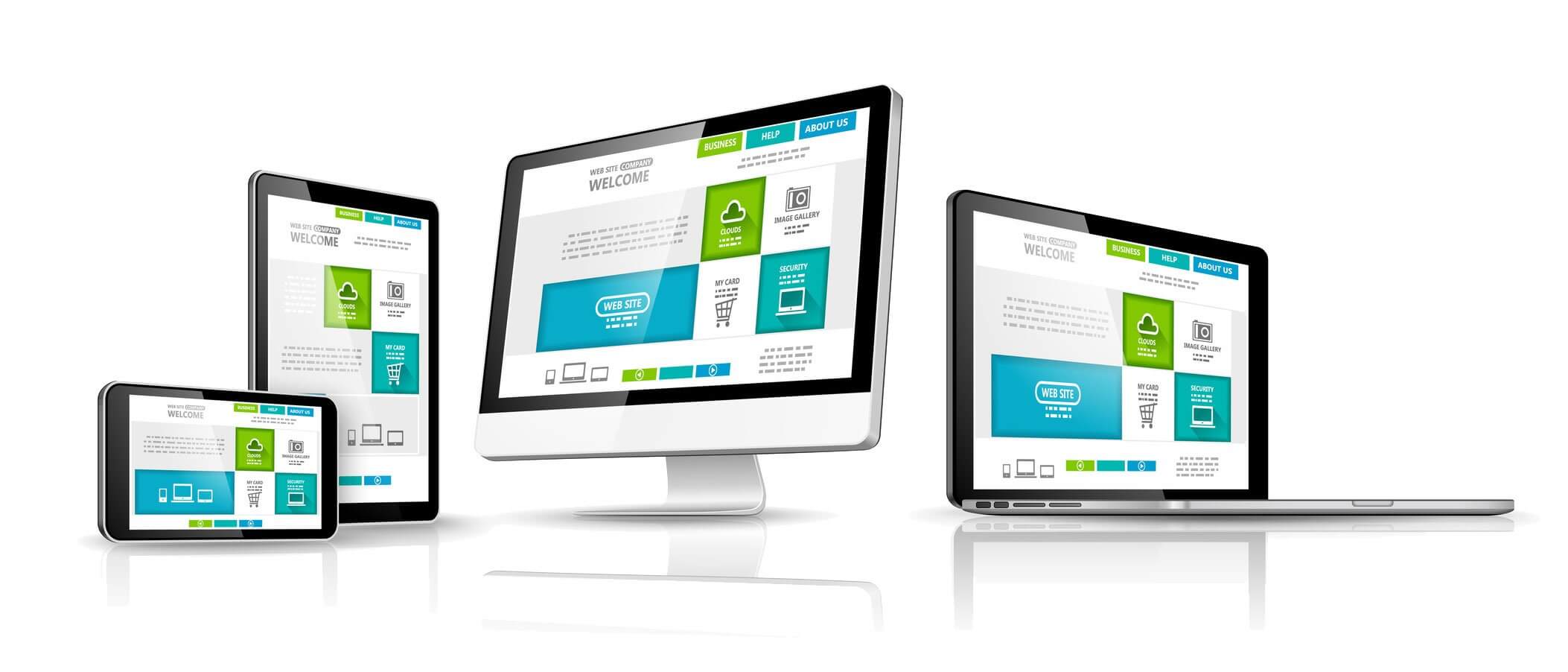
As we delve into the nuances of why website design and SEO go together, we'll examine the importance of creating a user-centric experience that concurrently meets SEO standards. From website speed to mobile-first design aspects, each element plays a crucial role in both user engagement and search rankings. Ultimately, a harmonious integration of aesthetic and SEO strategies not only but enhances your website’s visual appeal but in addition ensures it connects with the audience it needs. Let's discover click this over here now that can convert your website to be a impactful tool for growth.
Integrating Web Design and SEO for Business Growth
This interaction between web design and SEO plays a critical role in driving the growth of businesses. A effectively constructed website not only captures the notice of visitors but additionally holds their interest. Effective design features, such as intuitive navigation and visually appealing layouts, ensure that users can quickly access the information they seek. When visitors experience their visit on your site, they are increasingly likely to stay longer, reducing bounce rates and indicating to search engines that your site is important, ultimately enhancing your SEO rankings.
Additionally, SEO-friendly web design is essential to enhancing visibility in search engine results. professional web design Rochester NY as mobile-friendly design, fast loading times, and coherent content are critical for attaining high rankings. A website that is easy to use on all devices creates a cohesive experience that meets the needs of both users and search engines. This creates an efficient partnership where good design supports SEO, making it easier for new customers to identify your business online.
Incorporating SEO best practices into your design process fosters a holistic approach to your online presence. This involves understanding how design choices influence keywords, metadata, and the overall content structure. For businesses aiming for long-term growth, aligning these two disciplines increases organic traffic and improves user engagement. By emphasizing both design and SEO, your website can transform into a powerful tool that produces conversions and reinforces your brand in the digital landscape.
Essential Website Design Components that Improve SEO Effectiveness
A professionally designed website not just attracts visitors and also serves a crucial role in improving SEO performance. One of the important elements is website layout. A transparent and well-organized structure enables search engines understand the content hierarchy, making it simpler for them to catalog pages. When organizing content efficiently, you craft a smooth experience for users, which encourages them to stay longer on the site, eventually reducing bounce rates and enhancing SEO positions.
Another important factor is the use of heading tags like H1, H2, and H3. These tags not just aid organize content but also indicate to search engines what the main topics of the page consist of. Properly employing these tags improves readability and elevates user experience as visitors can rapidly scan through headings to locate the information they need. This clarity between web design and SEO boosts chances of achieving a position higher in search engine results lists.
Image optimization is also vital for improving SEO effectiveness. High-quality images can enhance your website’s visual appeal, but they must be optimized for faster loading times. Utilizing descriptive file names and alt tags can make images more findable by search engines while also offering context for users. Additionally, images add to interaction, and when incorporated effectively, they can enhance overall site performance in terms of both user experience and SEO.
Creating a User-Friendly and Intuitive and SEO-Friendly Web Platform
To build a customer-friendly and search engine optimized web platform, it is crucial to comprehend the relationship between design and search engine optimization. A simple, neat layout encourages clients to navigate your site, while effective SEO techniques ensure that search engines can easily access your content. Using concise navigation bars, a logical page layout, and specific headings can greatly enhance user experience while elevating SEO performance.
Moreover, website performance has a critical role in both user engagement and SEO success. A fast-loading website reduces bounce rates, keeping visitors interested and boosting their chances of conversion. Optimize images, make use of browser memory, and cut down on HTTP queries to improve speed. Implementing these strategies goes hand in hand with maintaining an attractive design that attracts users and retains their attention.
Responsive design is also essential in today's mobile-centric environment. A platform that scales smoothly across devices not only boosts the user interaction but also satisfies Google’s criteria for mobile compatibility, which is a fundamental factor in search results. By focusing on both user satisfaction and SEO aspects, you can create a integrated approach that not only brings in visitors but also keeps them, driving overall business success.